Medical software
SpinePlanner
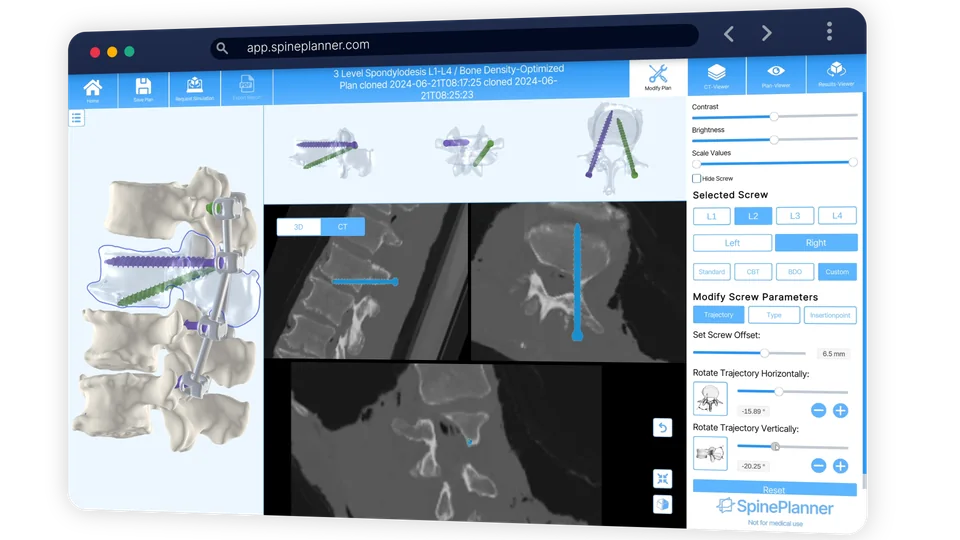
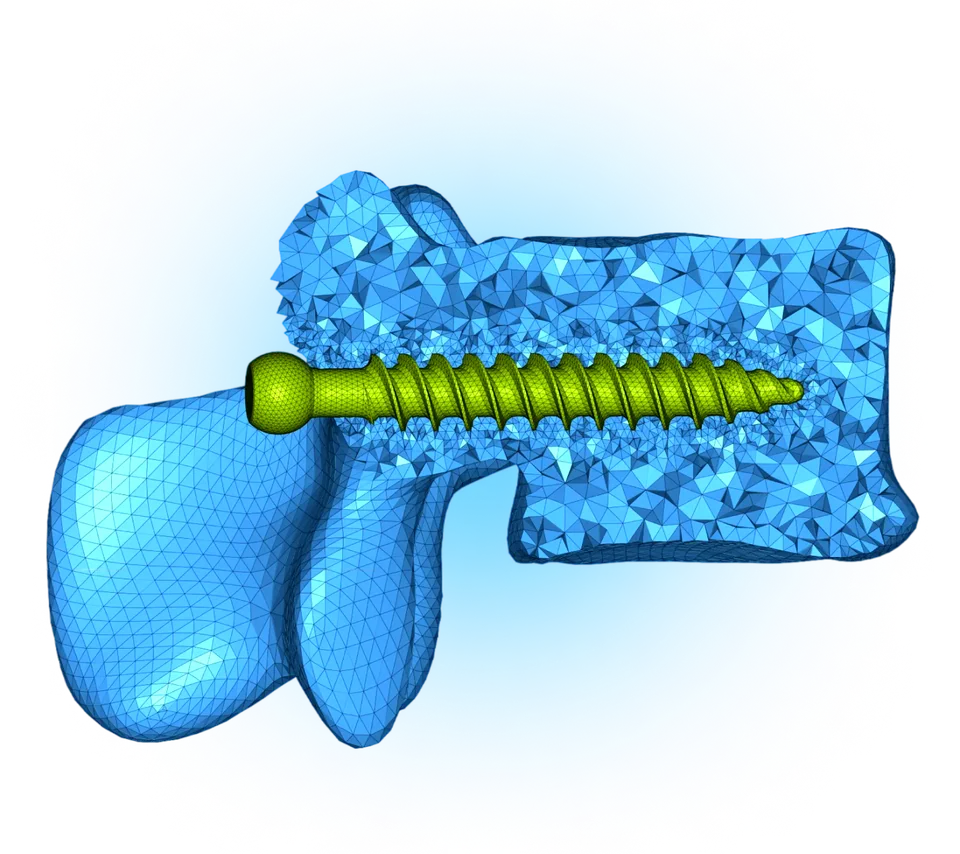
A surgical planning platform that helps surgeons review spinal anatomy, adjust instrumentation plans and evaluate screw stability before an operation.
Learn more
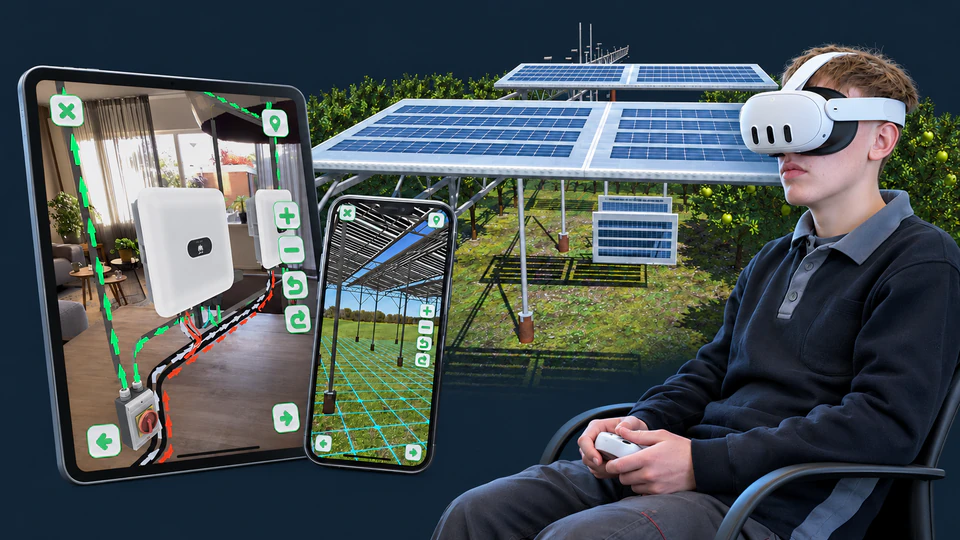
Helping people visualize agrivoltaic systems, learn installation procedures and understand the reasoning behind every answer.
Sunbiose investigated how agriculture and solar electricity generation can share the same land. This approach, known as Agri-PV or agrivoltaics, places solar installations above crops while keeping agricultural production at the heart of the design. The project combined field research, system development and knowledge sharing to support practical, economically viable applications.
The Dutch government-funded project brought together a large, multidisciplinary consortium of research institutions, technology companies and agricultural organizations. Coordinated by Renergize Consultancy, it included Wageningen Research, TNO, GroenLeven, Brite Solar and ZLTO. Its research addressed crop growth, light management, soil and biodiversity, alongside technical and business considerations.
Sunbiose received Dutch government funding through the MOOI programme, administered by RVO (Netherlands Enterprise Agency), under project MOOI22003.
Visit the Sunbiose project website · Official project record · RVO MOOI programme
As the technology contractor, Zumoko developed and delivered the Agrisolar AR mobile application, the Sunbiose VR training application, and their shared AI and content-production infrastructure. Our work covered application development, interactive 3D demonstrations, assessments, multilingual narration and integration with the project’s e-learning platform.
The result connects three ways of learning: exploring solar installations in augmented reality, practising procedures in an immersive virtual environment, and receiving AI-assisted explanations tailored to quiz answers.
The Agrisolar AR app for iOS and Android turns a phone or tablet into a window onto a solar installation. Users can place a virtual canopy on a tabletop, reposition and rotate it, or explore the structure at full scale on location. Moving around the model helps people understand its dimensions, components and relationship to the surrounding space.
Information is tailored to growers, residents and policymakers, explaining topics such as light management, crop protection and ecological considerations. Additionally there are eight AR learning topics with associated quiz questions for installers that cover the inverter system, components, grounding, DC and AC connections, smart dongles and signal cabling. Animated 3D guides make assembly sequences easier to follow.
Zumoko built the mobile experience with Unity 6, AR Foundation, ARKit and ARCore. QR codes and deep links connect the consortium’s e-learning platform directly to relevant content inside the app, bringing web-based learning and spatial demonstrations together.
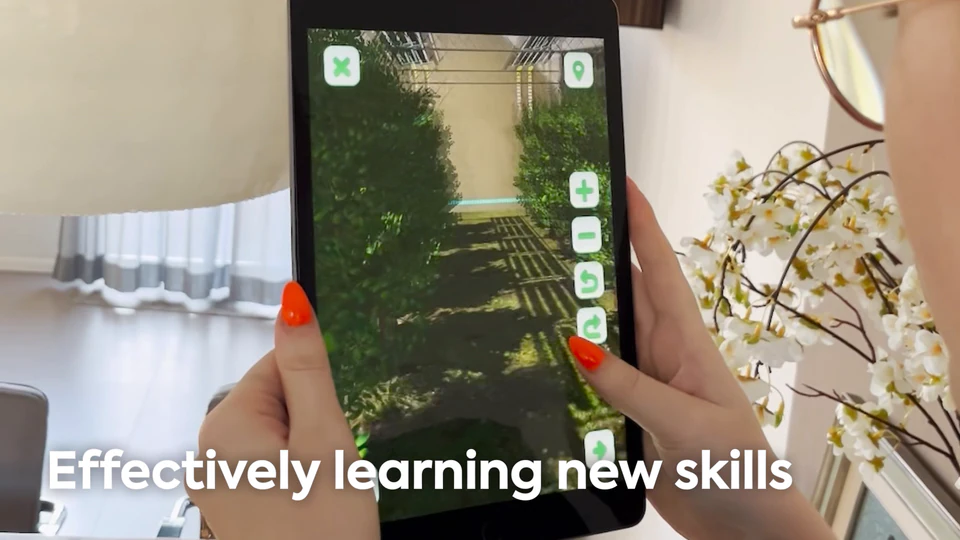
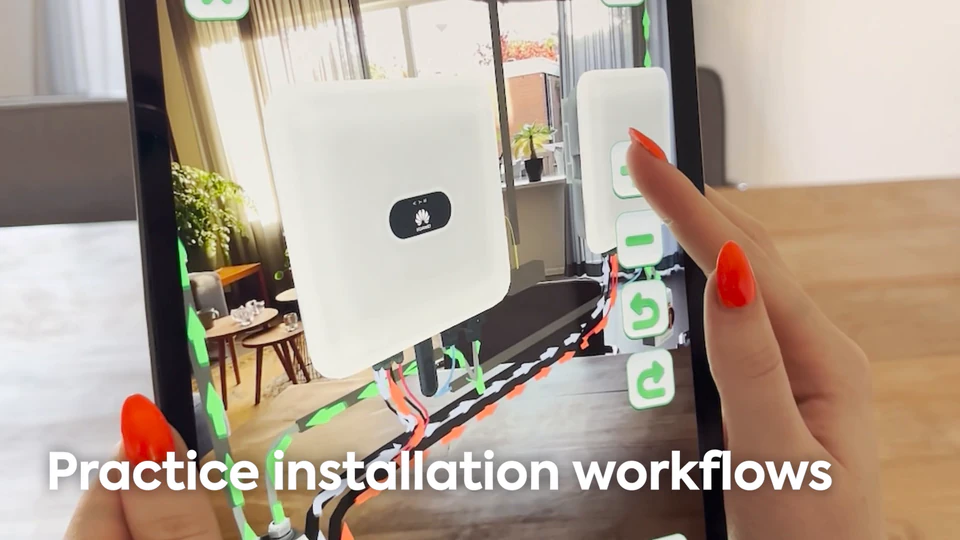
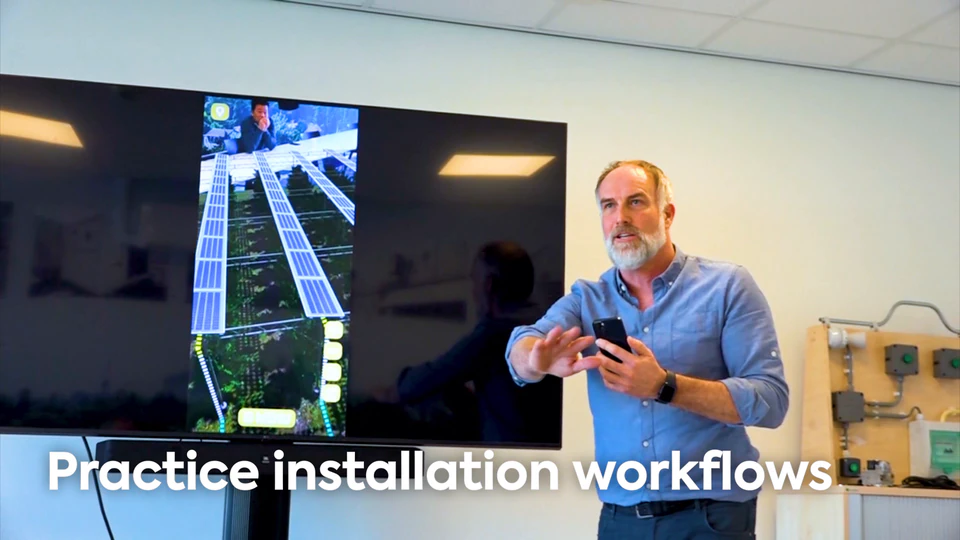
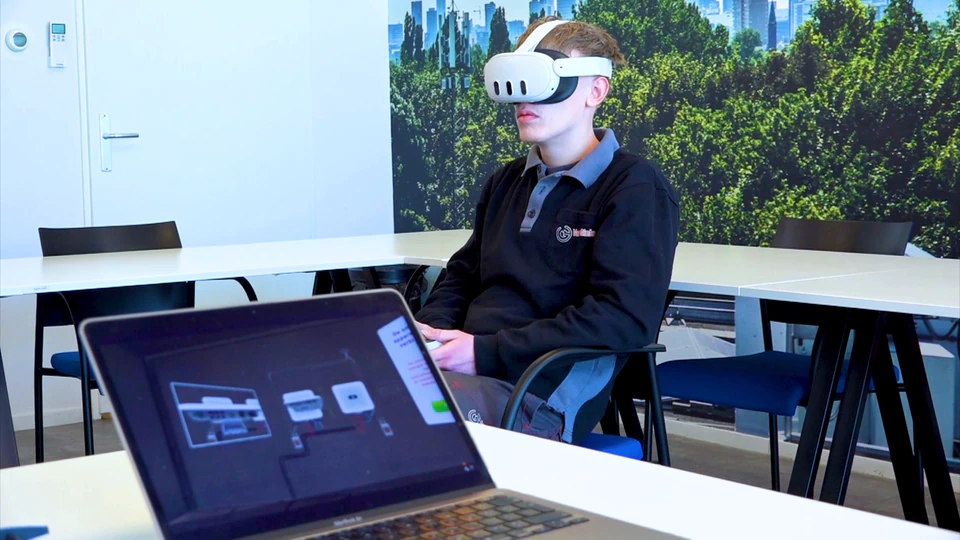
The Sunbiose VR application for Meta Quest 2 and Meta Quest 3 places learners inside a virtual Agri-PV orchard. They can study an inverter system at close range, follow narrated 3D demonstrations and work through installation sequences at their own pace.
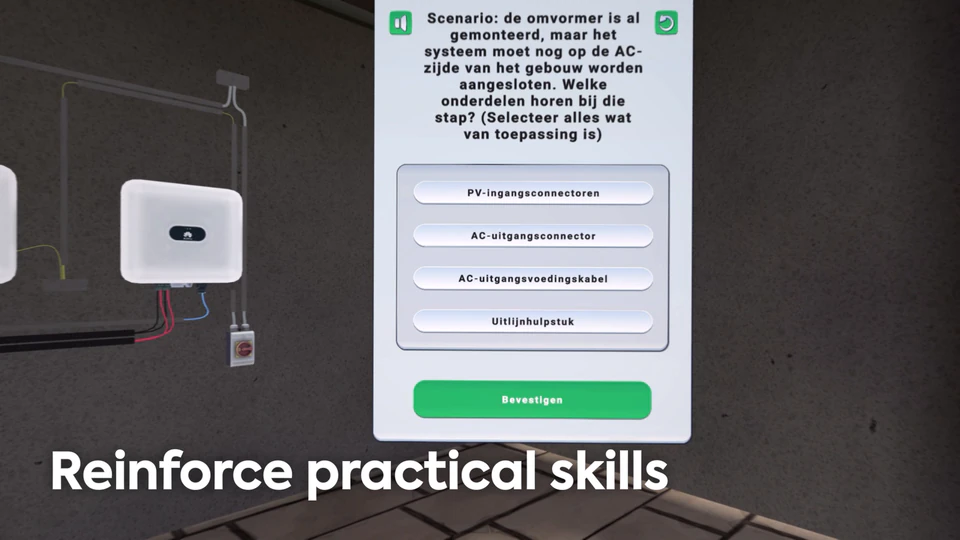
Training covers inverter components, mounting, grounding, electrical connections and cable assembly. Detailed models and animations show how parts fit together and how connections are made. Learners can move backwards and forwards through the lesson, replay a demonstration and then check their understanding through interactive assessments.
Zumoko developed the standalone VR application in Unity 6 with the Universal Render Pipeline, Meta XR SDK and XR Interaction Toolkit. We optimized models, materials, lighting and cable geometry for headset use, and delivered Dutch and English interfaces, lesson text and narration.
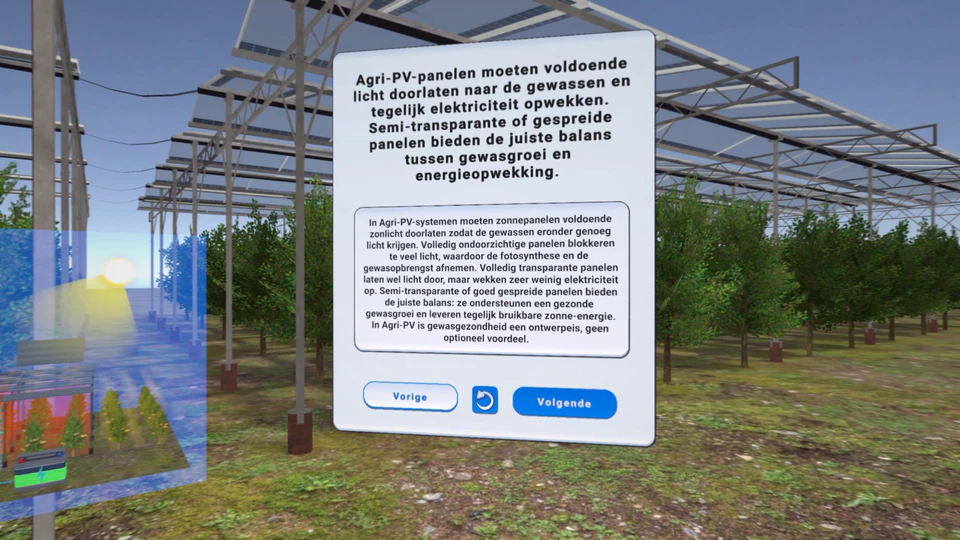
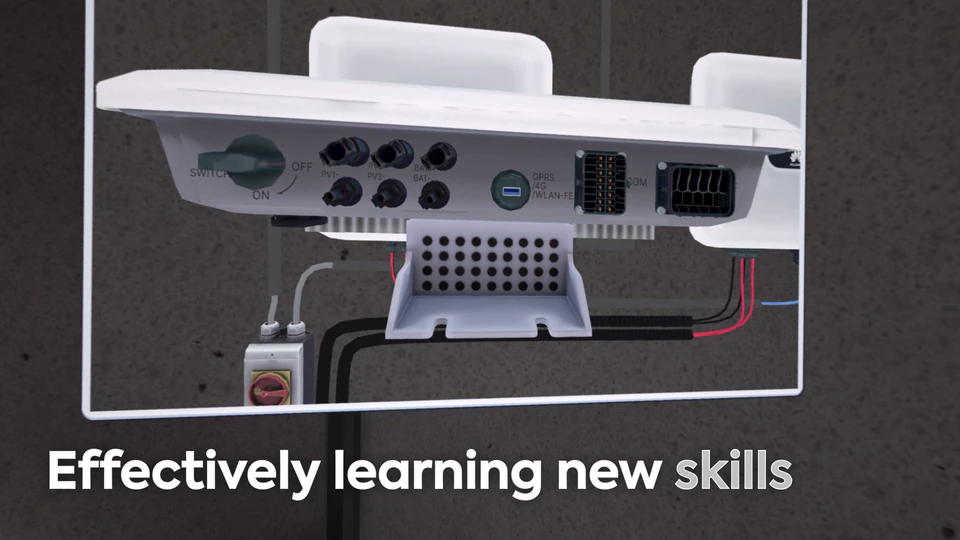
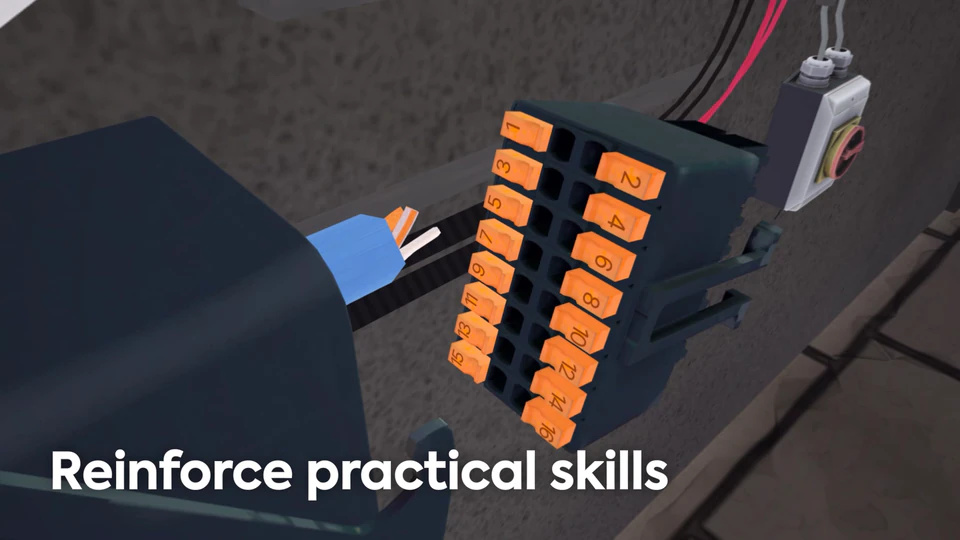
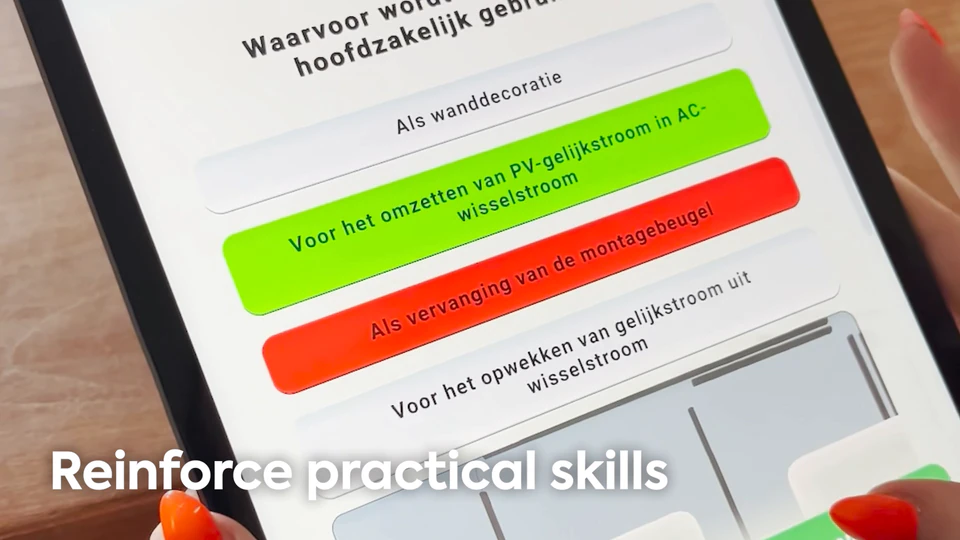
Our AI development extended beyond content authoring. Zumoko built a shared AI feedback service for the AR and VR applications so learners can understand why an answer is correct or incorrect. After answering a quiz question, they can request an explanation based on their selected answers, the question and the lesson context, with both text and spoken feedback.
We developed a generation workflow using Google Gemini large language models, with lesson material and the inverter manual supplied as context. The explanation is tied to the training content and the learner’s answer combination. Gemini context caching supports reuse of that reference material during generation.
To make common responses readily available, we pre-generated feedback for 1,315 answer combinations across 85 quiz questions. Text is stored in Firebase Realtime Database, with narration in Cloud Storage. Python Cloud Functions retrieve the appropriate explanation for the question, answers and selected language.
When a stored response is unavailable, a live-generation fallback uses Gemini and text-to-speech to produce feedback. The applications also cache audio for replay. This combines prepared learning content with on-demand generative AI in one service used by both applications.
Zumoko also developed the tools that turn source lessons into application-ready learning content. Our Python automation pipeline processes structured CSV content, generates translations through the OpenAI API, and prepares narration using OpenAI text-to-speech and local Piper ONNX voices.
The pipeline produces JSON data, audio files and PDF review documents, then imports the content into Unity ScriptableObjects. AI tools supported lesson authoring and translation, while the review documents made the resulting material available for checking before application integration.
This shared workflow supports consistent terminology, narration and quiz content across mobile AR and VR. It also provides a repeatable process for updating lessons and producing language variants without rebuilding each screen manually.
Together, these deliverables translate technical Agri-PV knowledge into experiences people can explore, replay and assess. They support Sunbiose’s knowledge-sharing goals by making solar technology more accessible to stakeholders and installation learners.
Unity 6 · C# · Universal Render Pipeline · AR Foundation · ARKit · ARCore · Meta XR SDK · XR Interaction Toolkit · Python · Google Gemini · OpenAI API · Firebase · Cloud Functions · Text-to-speech · Piper ONNX
Medical software
A surgical planning platform that helps surgeons review spinal anatomy, adjust instrumentation plans and evaluate screw stability before an operation.
Learn moreVR · Education
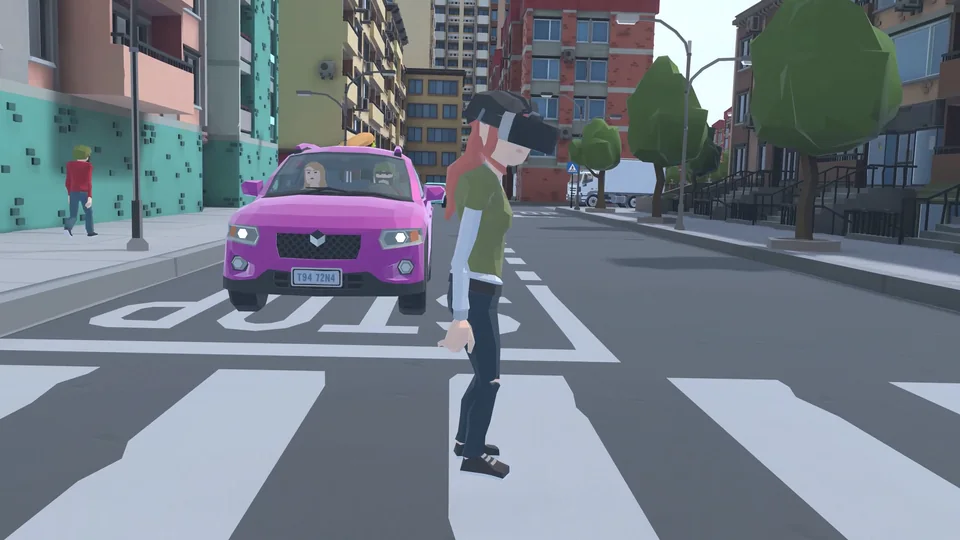
An interactive VR game where children explore a virtual city, practise crossing roads and learn traffic rules through realistic everyday situations.
Learn moreVR · Safety training
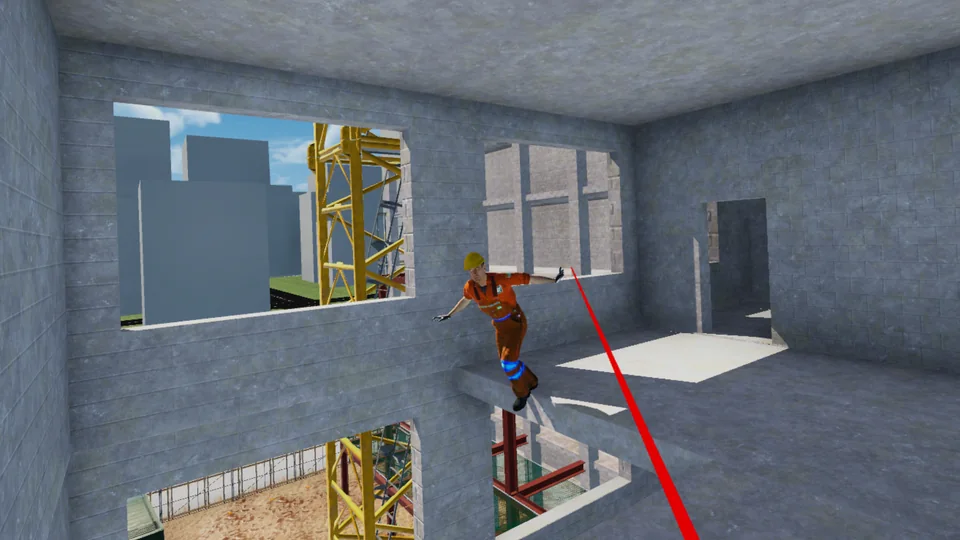
Immersive construction safety training that lets workers recognise hazards and practise responding to dangerous situations in a controlled virtual environment.
Learn moreMobile apps · AR
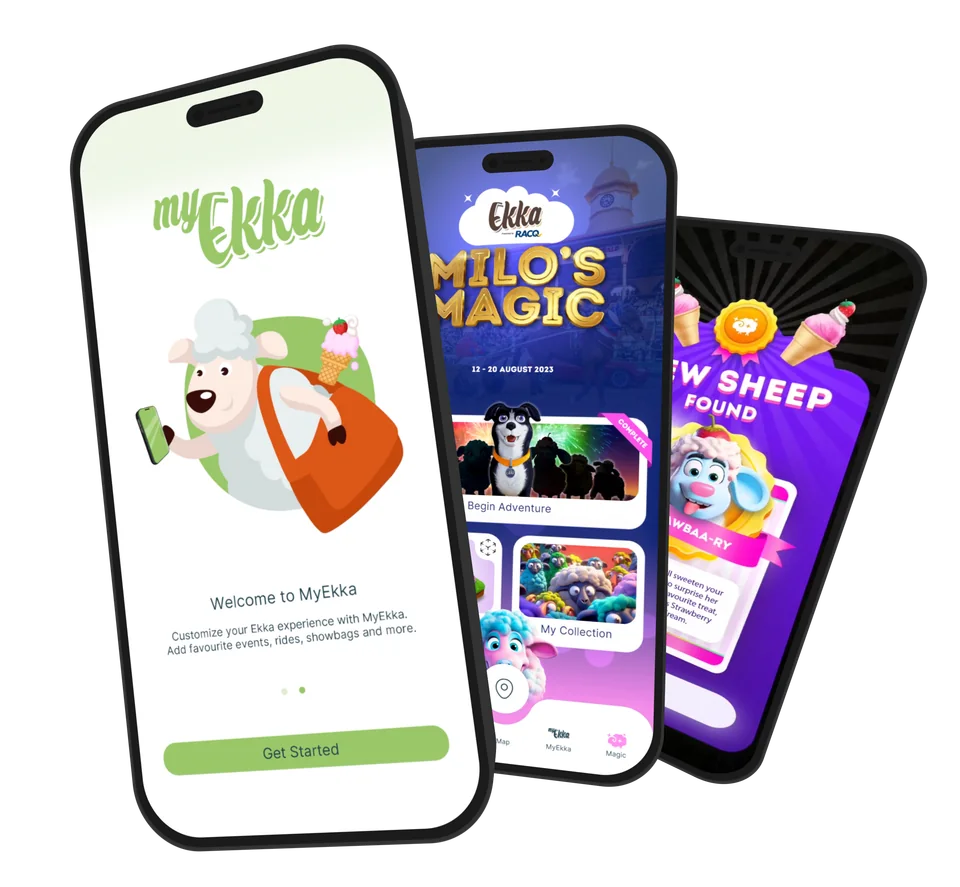
A festival companion combining personalised itineraries, interactive maps and playful AR experiences to help visitors discover more and plan their day.
Learn moreAR · Culture & tourism
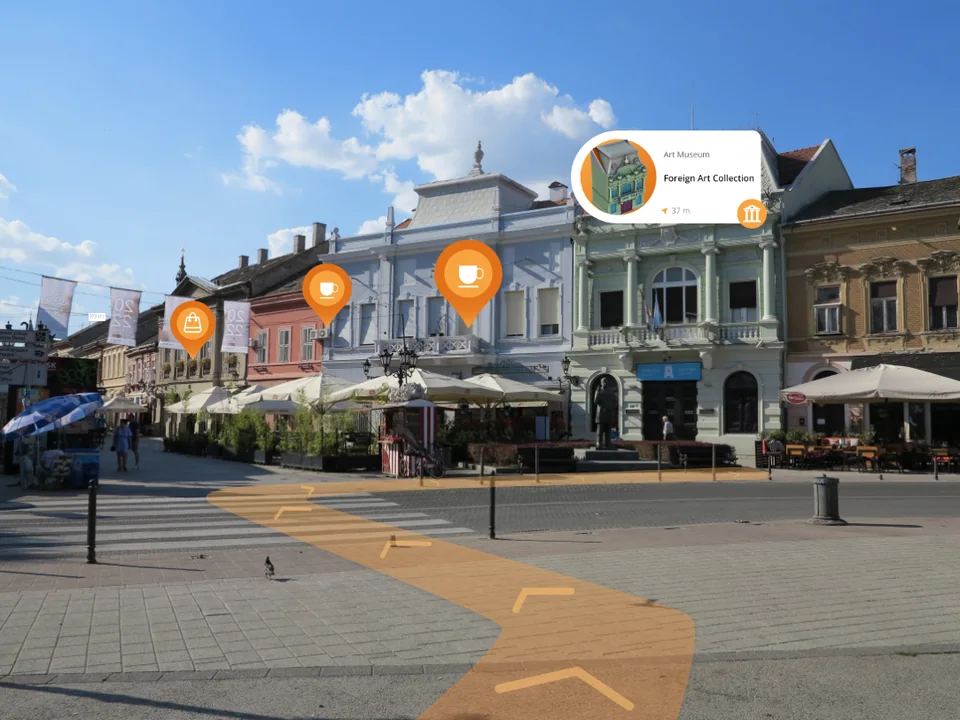
A location-aware city guide that brings landmarks, museums and local attractions into view through augmented reality, helping visitors explore their surroundings.
Learn moreAR · Learning through play
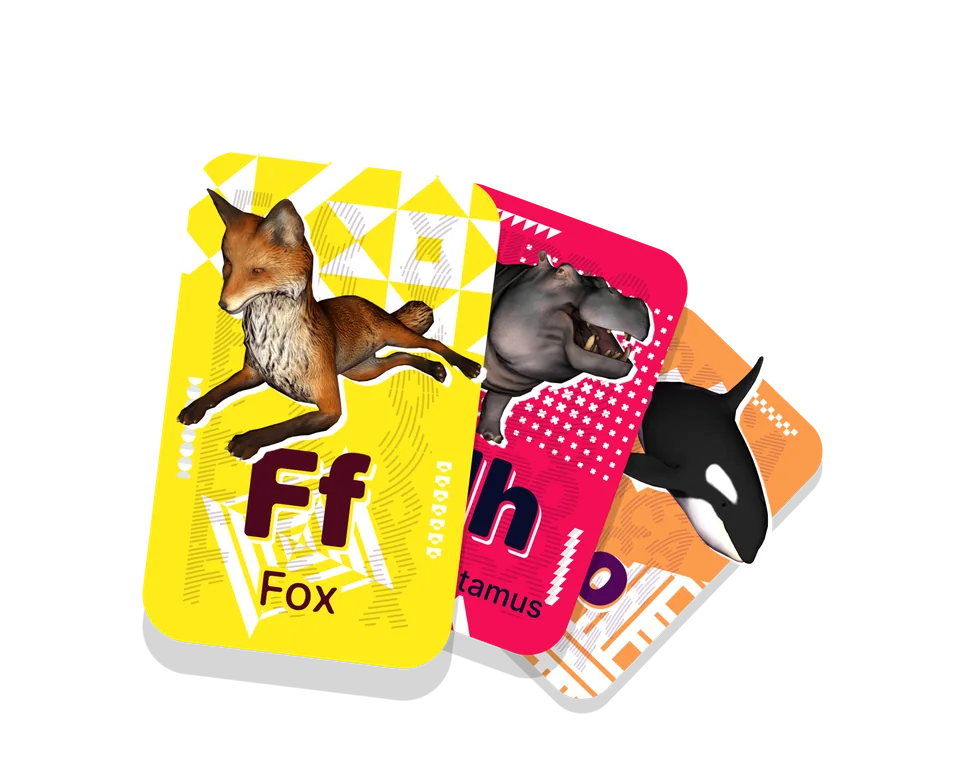
Interactive alphabet cards that bring animals to life in augmented reality, turning early letter recognition into a playful experience for children.
Learn moreImmersive learning
Virtual learning environments that combine interactive lessons and practical demonstrations, helping learners explore complex subjects through hands-on experiences in shared 3D spaces.
Learn moreVirtual worlds · Entertainment
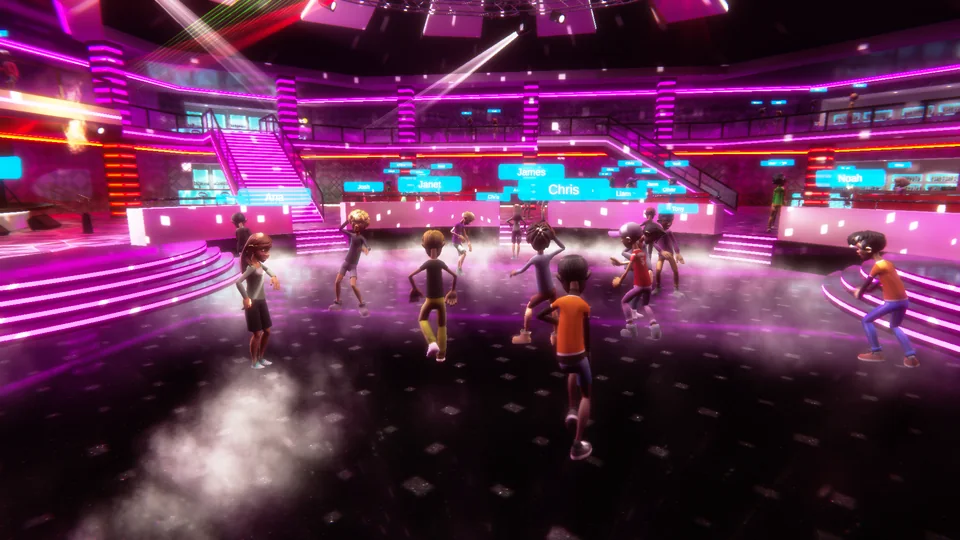
A social virtual world with customisable avatars and shared spaces, bringing people together to explore, connect and take part in virtual events.
Learn moreMixed reality · Museums
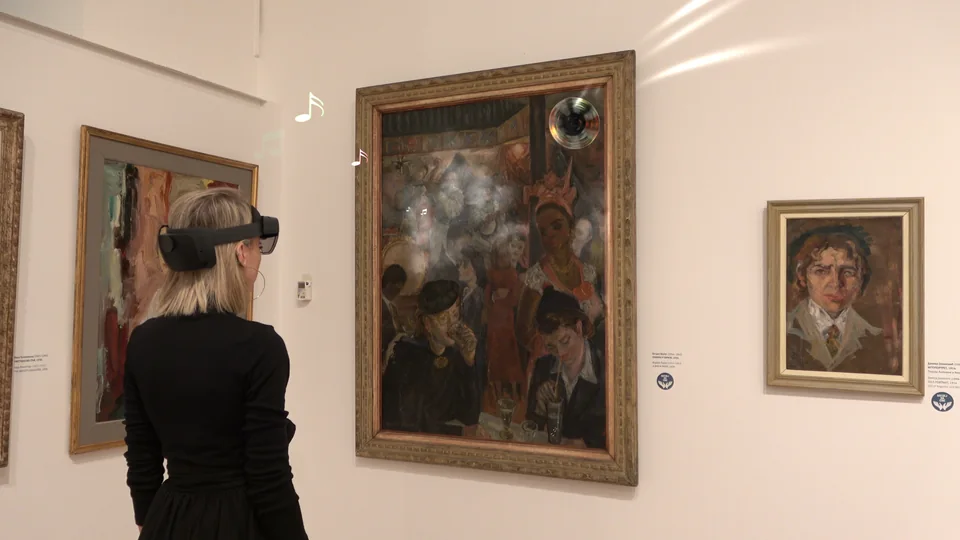
A HoloLens museum experience that brings artworks and their stories into the gallery, combining digital characters with the visitor’s real surroundings.
Learn moreMobile apps · Roofing
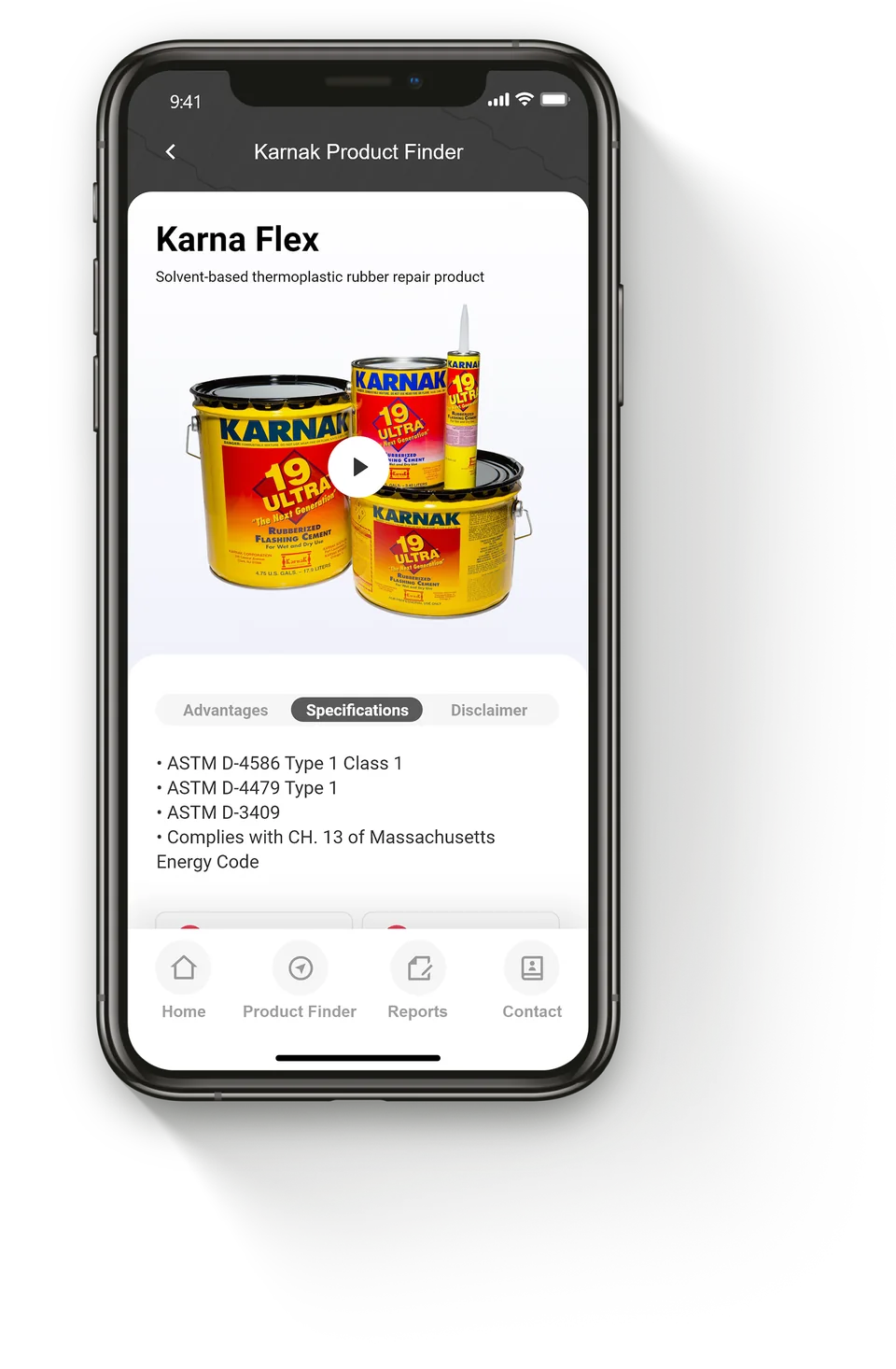
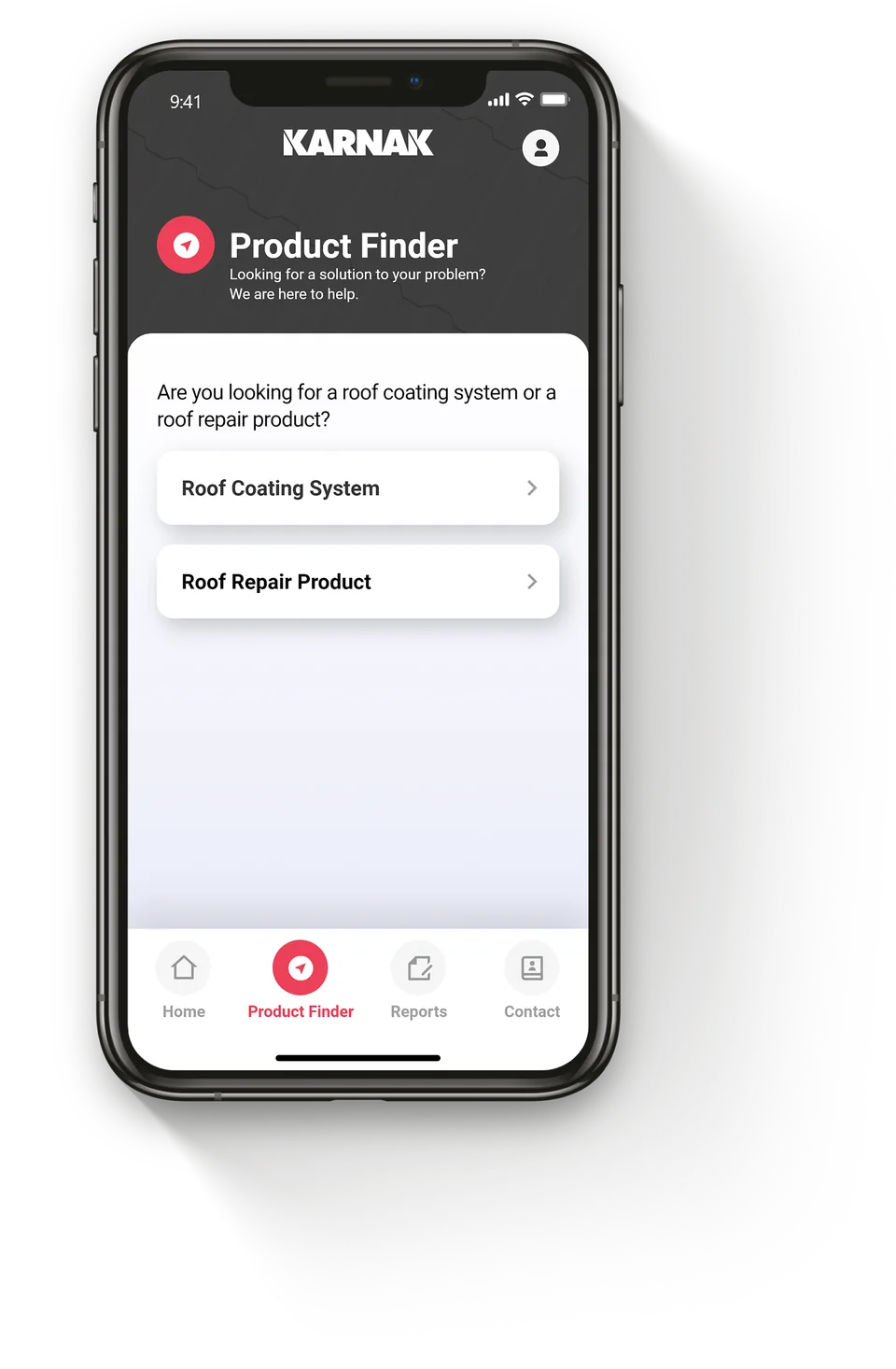
A practical tool for roofing professionals to find suitable products, explore application guidance and document roof conditions with photos and reports.
Learn moreAR · Road safety
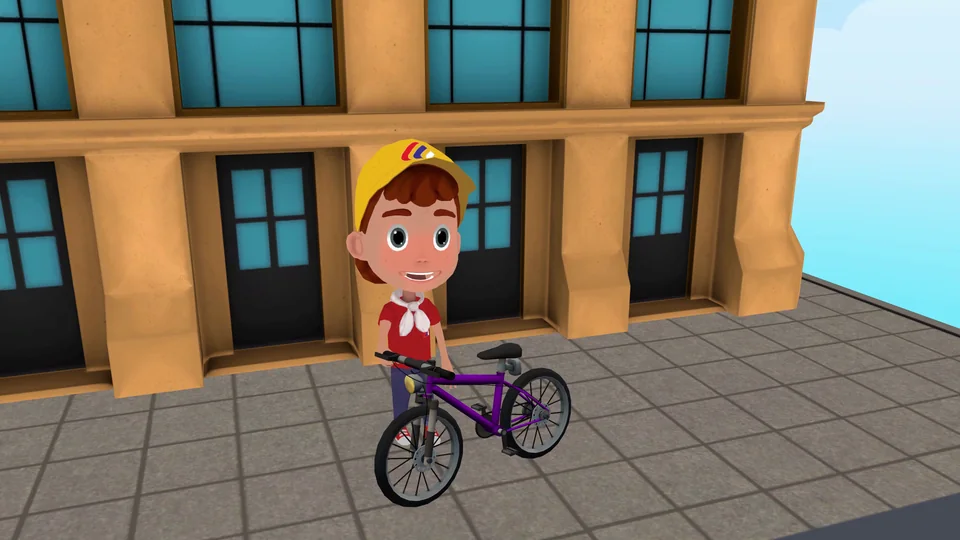
An augmented reality companion to a children’s traffic-safety book, using animated characters and familiar street situations to make road rules easier to understand.
Learn moreAR · Cultural heritage
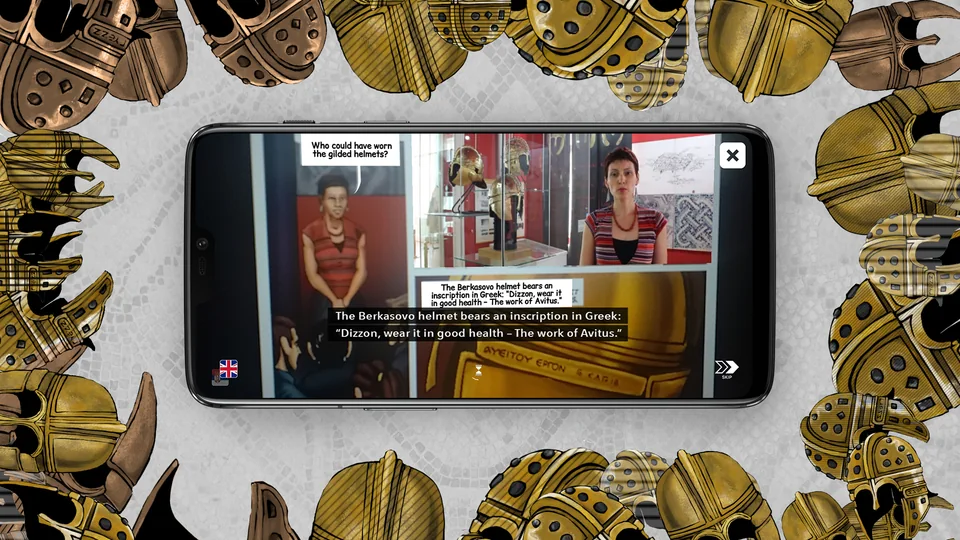
An interactive museum experience that reveals the stories behind Roman gilded helmets through augmented reality, connecting historical artefacts with engaging digital content.
Learn moreMixed reality · Technical training
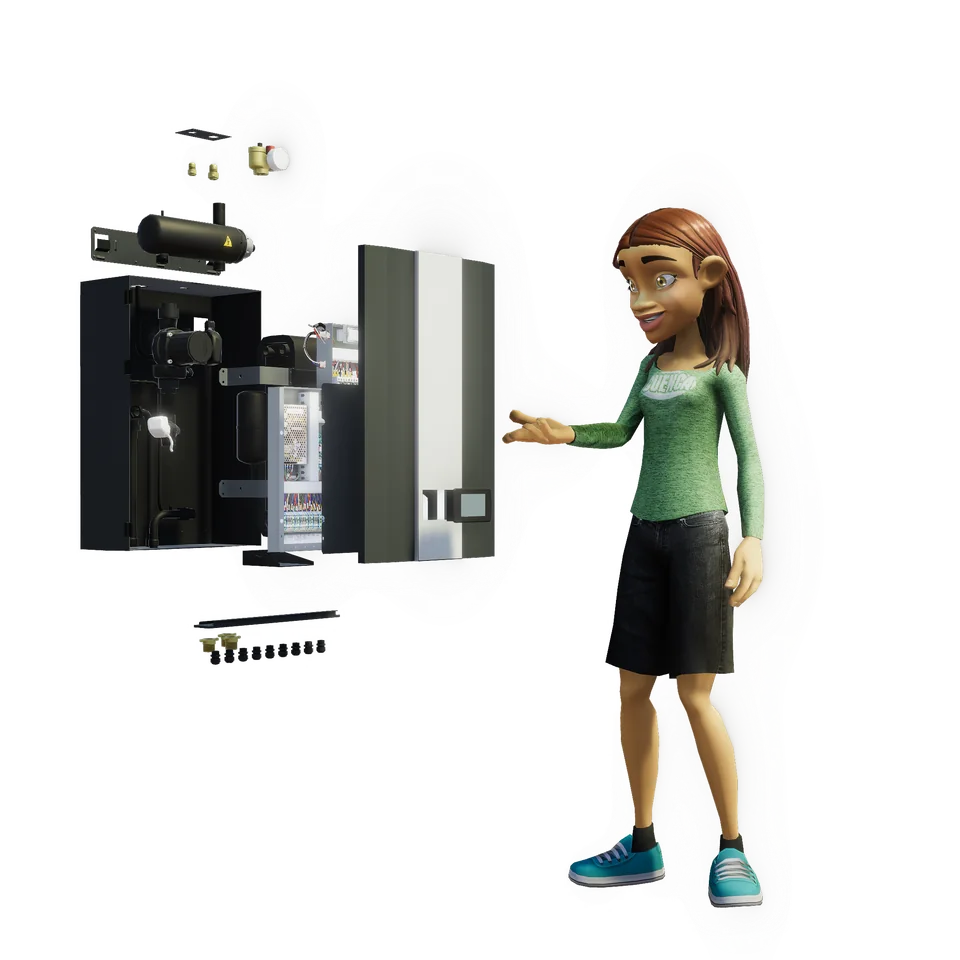
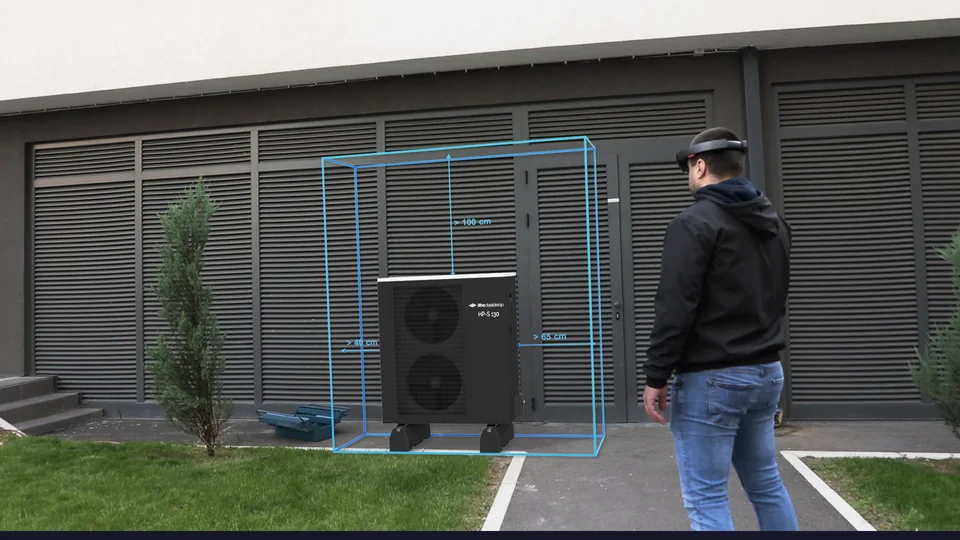
A mixed reality training tool that guides heat-pump installation and maintenance, placing practical instructions and equipment visualisations directly in the working environment.
Learn more